How to Set Up a Newcomer-Friendly Classroom from Day One
Getting your classroom ready for the new school year is exciting—but it can also feel overwhelming, especially if you know you’ll be welcoming English learners. Whether you’re a seasoned ESL teacher or a general education teacher with newcomers for the first time, setting up a classroom that supports language development and feels safe and welcoming is one of the most powerful things you can do. Here are just a few simple, high-impact ways to create a newcomer-friendly classroom—with visuals, routines, and tools that build confidence and connection from day one.
Let's create a newcomer-friendly classroom!
🖼️ 1. Use Visual Supports Everywhere
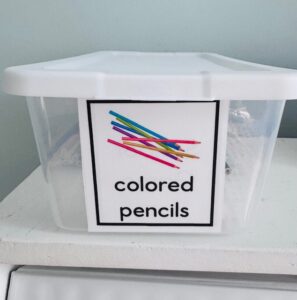
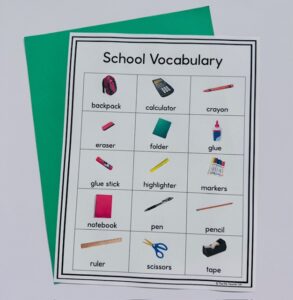
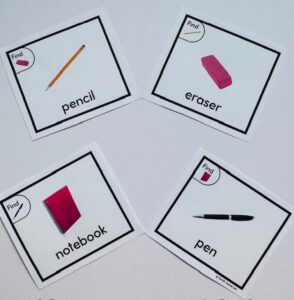
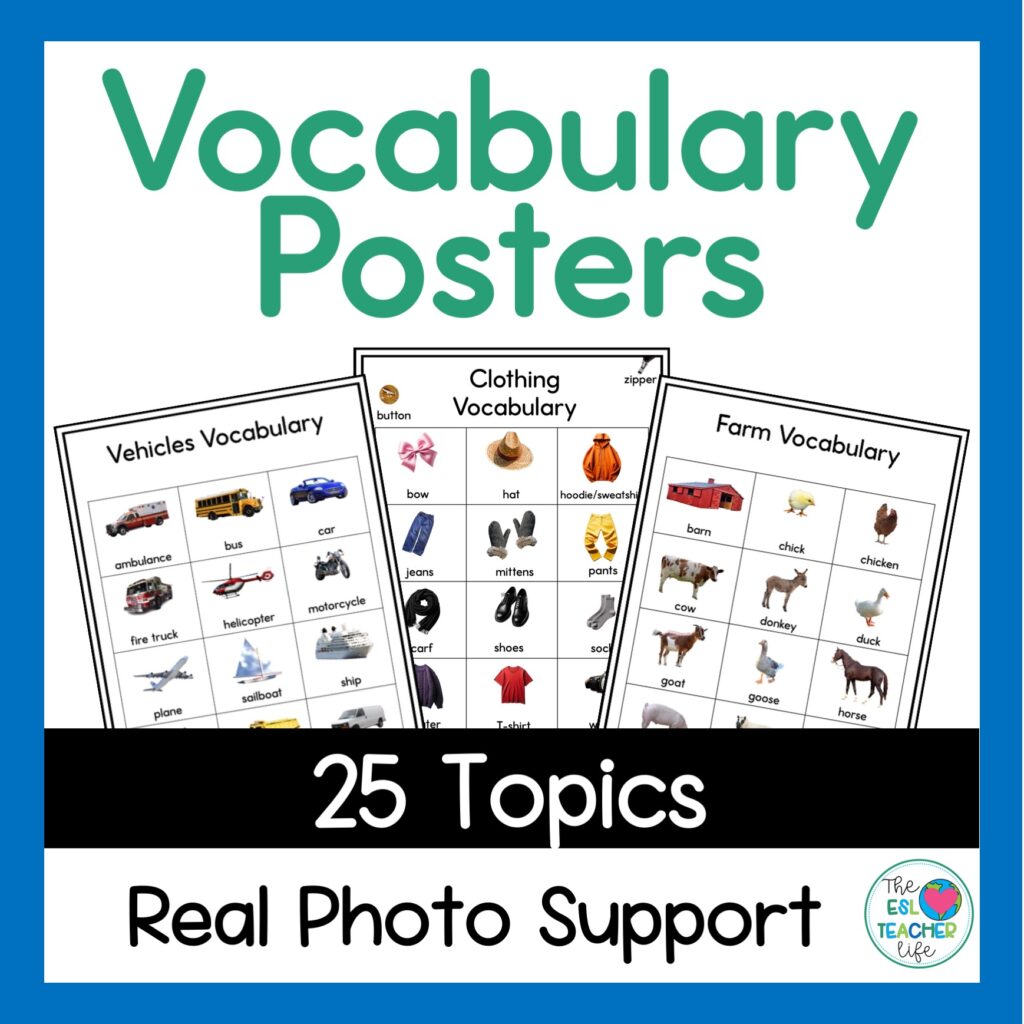
Newcomers rely heavily on visual cues as they begin to learn English. Include real photos, labeled areas, and visual directions, to help students be more independent, more confident, and less likely to feel overwhelmed.
Start with:
Real photo vocabulary cards and labels for common objects
Visual schedule cards to support daily routines
🪑 2. Be Intentional About Seating and Partners
The way you group and seat students can support language learning too. Newcomers benefit from being placed near peer models—classmates who are kind, verbal, and willing to help.
Ideas:
Seat newcomers near visual supports like anchor charts
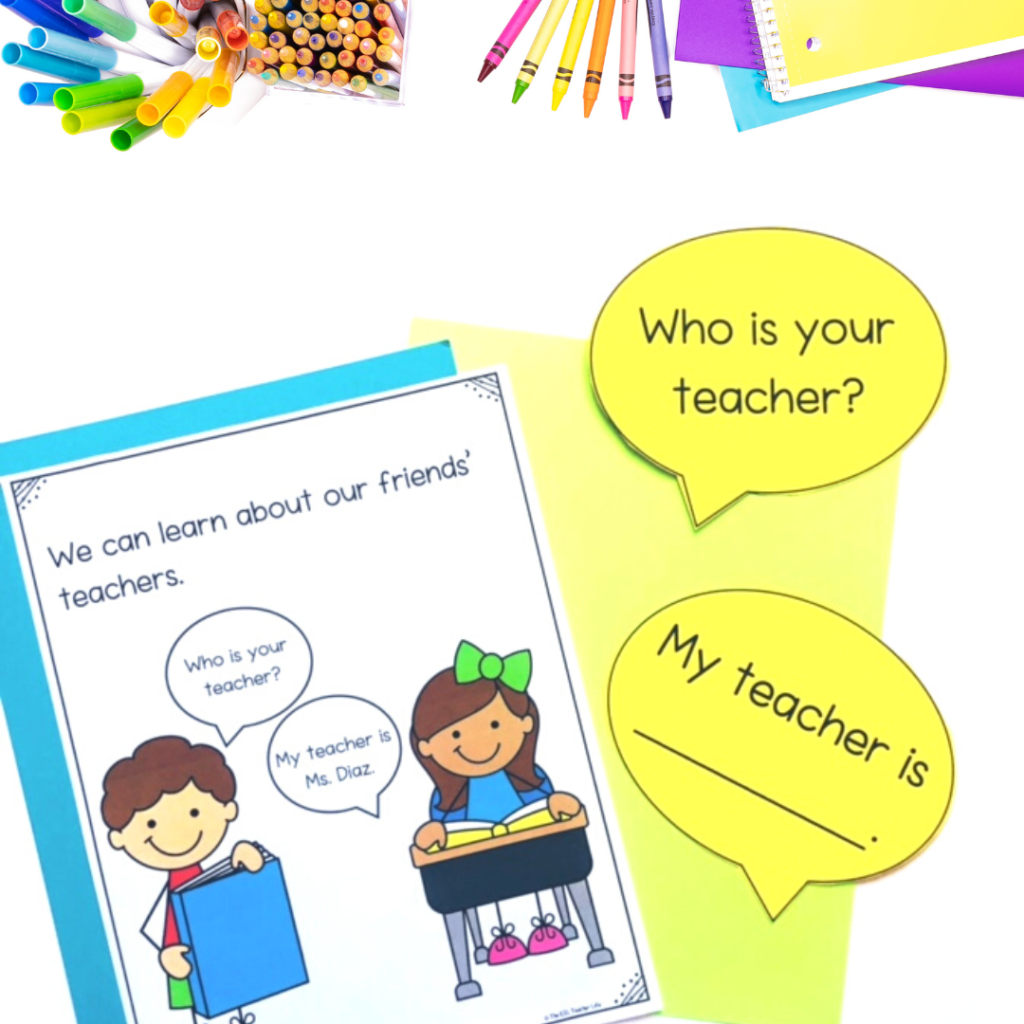
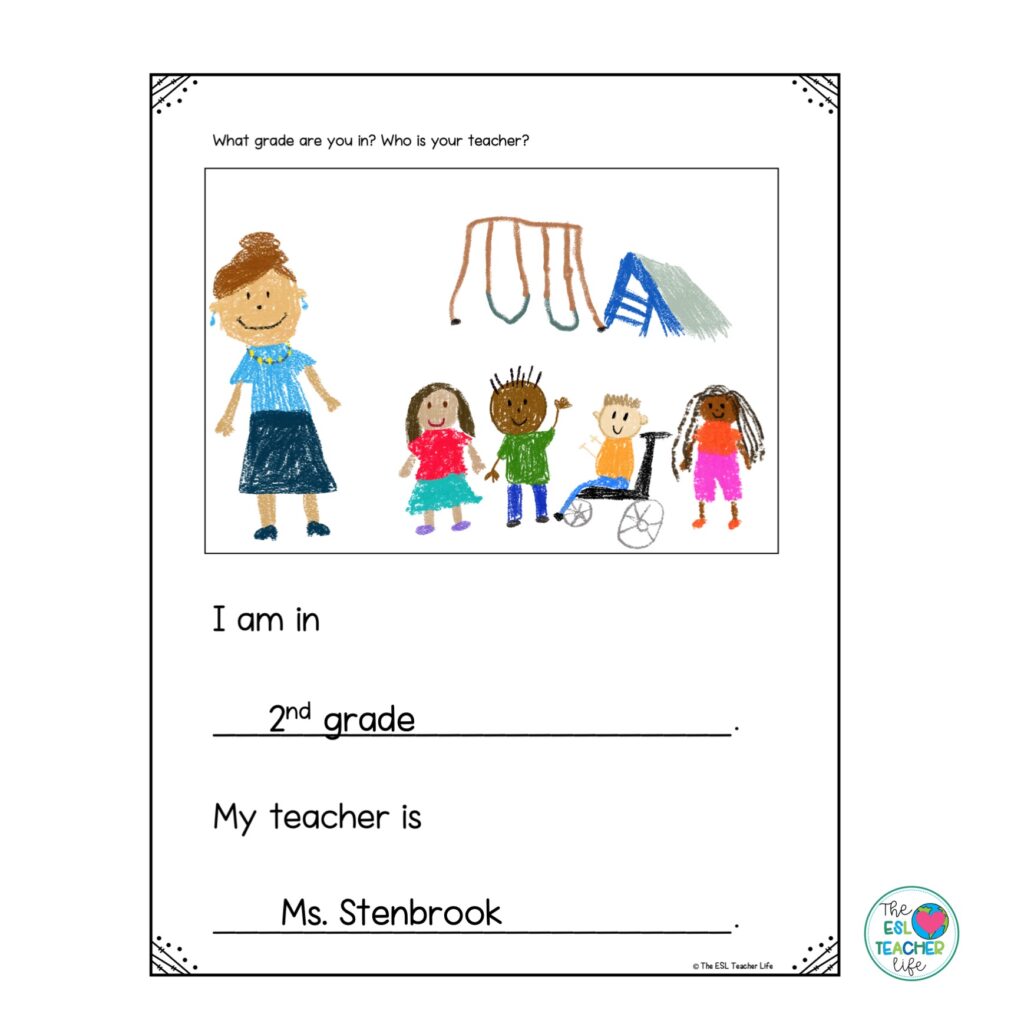
Even on day one, your newcomers can participate when you provide the right scaffolds. Printables like picture-based dictionaries and “All About Me” pages with picture support and sentence starters give students ownership over their space and voice.
Must-haves:
Personal visual dictionaries or “student office”
“All About Me” activities
🫶 4. Create a Welcoming Environment for All Languages
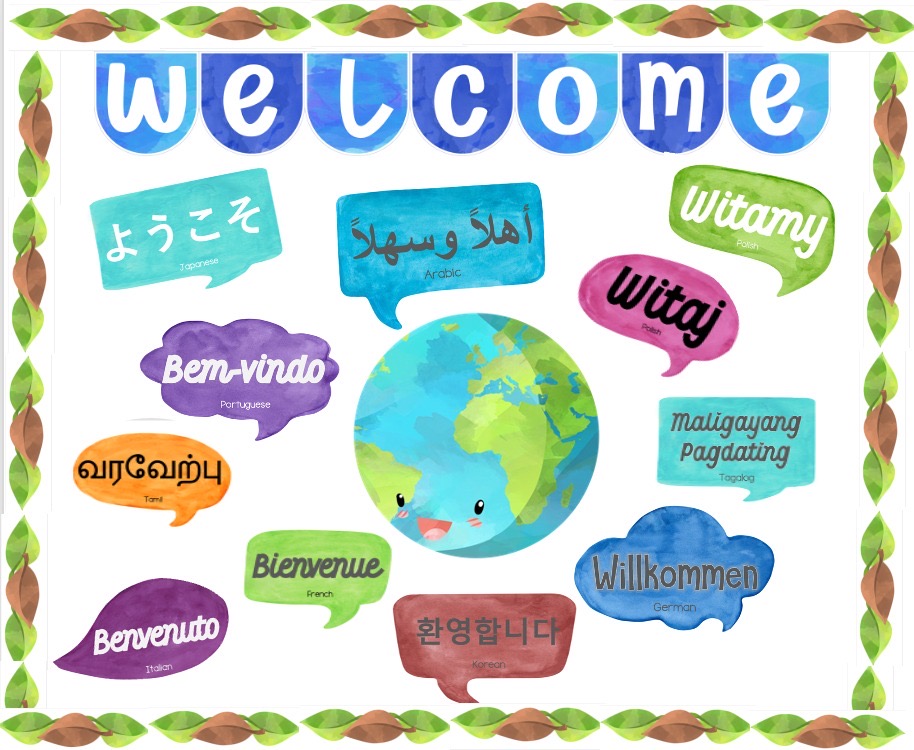
Representation matters. Displaying flags, greetings in students’ home languages, or a simple “Welcome” banner shows students and families that their identity is valued. These beautiful bulletin board kits are by Language Adventurist on TPT.
Try this:
A multilingual greeting poster or display
Students’ family photos, flags, and maps on a classroom wall
🧩 5. Establish Visual Routines From Day One
Classroom routines become more accessible when you add visuals. Practice lining up, unpacking backpacks, or transitioning between activities with visual cue cards or gesture-supported routines. You can even take photos of students doing different classroom actions to use as visuals.
Helpful tools:
Visual routine cards (line up, sit down, listen, share)
Cue cards you can wear on a lanyard
It doesn’t take a complete overhaul to set-up a newcomer-friendly classroom. Small adjustments—especially visual supports—can make a huge difference in helping students feel confident, independent, and included from the first day.
We use cookies to ensure that we give you the best experience on our website. If you continue to use this site we will assume that you are happy with it.