The start of a new school year brings a mix of excitement, and “where do I even begin?” – especially when you’re teaching multilingual learners who arrive with such a wide range of backgrounds, experiences, and language levels. The good news? You don’t need a perfect classroom or a giant budget to make a real difference. You just need a handful of the right resources – things that build connection, lower anxiety, and get students using language from day one. Here are the 5 ESL classroom resources I reach for every single year, and why each one earns its place.
1. Getting to Know You Resources
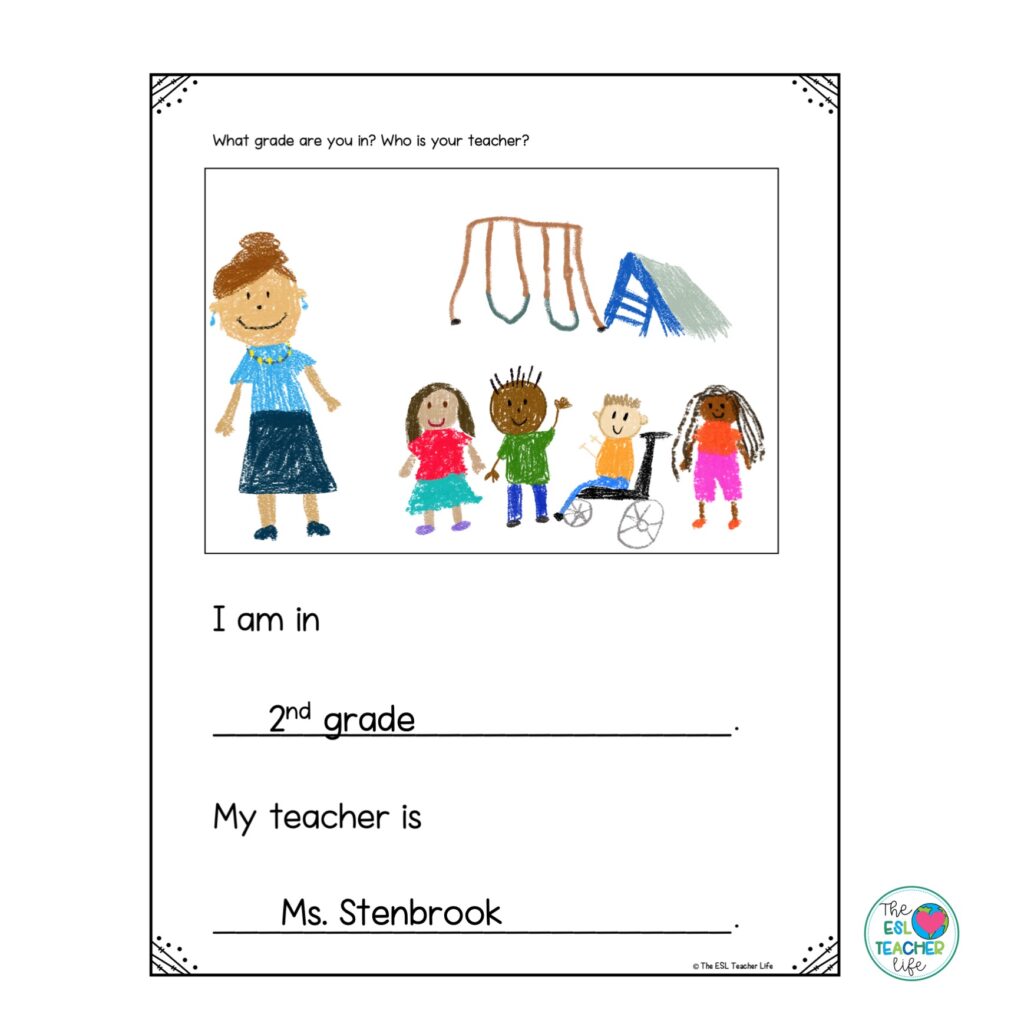
“Getting to Know You” Resources are one of my ESL Classroom resource musts. Having the right activities can help you get to know both the interests and abilities of your multilingual learners. It doesn’t have to be fancy. Share about yourself and give students a chance to share about themselves – through speaking, drawing, writing or using technology. For a low prep set of Back to School Activities, check out my “Getting to Know You” resources below. the great part is, it makes a wonderful display and a nice beginning of the year activity for students to share at home.
Here’s why this category matters so much at the start of the year: multilingual learners are often in a new school, a new country, or both. Having structured ways to share about themselves – and to learn about their classmates – helps them feel less invisible and more connected.
A few things to keep in mind when choosing getting-to-know-you activities for ELL/ESL students:
- Include drawing and speaking options, not just writing. Students at early proficiency levels can still participate fully when they aren’t limited to written responses.
- Make it a two-way street – share about yourself too. Students who know their teacher as a real person with a family, hobbies, and favorite foods relax and open up faster.
- Display the finished work. Seeing their “All About Me” pages on the wall tells students: your story matters here.
2. Speaking and Listening Games
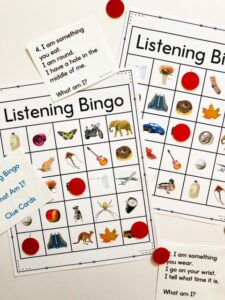
Speaking and listening Games are an ESL classroom resource must have too. There are many benefits to playing speaking and listening games in the ESL classroom. High engagement, lower anxiety, increased motivation, and lots of embedded language practice are just a few!
If you’ve ever watched a quiet, hesitant newcomer light up during a game, you already know why this resource type is non-negotiable. Games lower the affective filter – that’s the emotional barrier that goes up when students feel anxious or self-conscious – and when it comes down, real language learning happens.
A few principles for choosing good ESL speaking games:
- Look for games with built-in repetition. Students need to hear and say new vocabulary many times before it sticks. Games like Bingo and Go Fish naturally create that repetition without feeling like a drill.
- Choose games that work across proficiency levels. The best games don’t require fluency to participate – they give beginners a way in while still challenging more advanced students.
- Keep setup minimal. If a game takes 20 minutes to explain, it’s not the right game for an ESL classroom. Simple rules, fast setup, and high engagement is the winning combination.
3. Anchor Charts Make Great ESL Classroom Resources
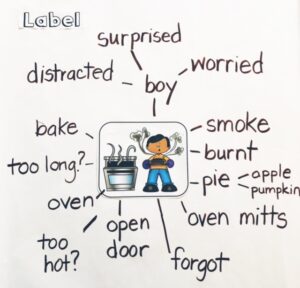
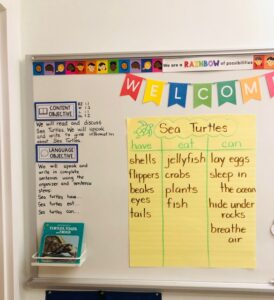
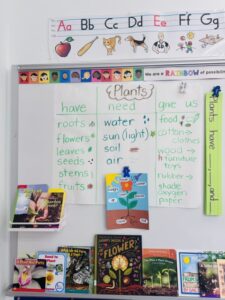
Anchor charts are one of the most powerful tools in the ESL classroom. They’re not just decoration. A good anchor chart is a reference students can return to again and again throughout a lesson, a week, or a whole unit.
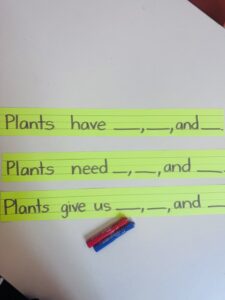
Here are two examples from my own classroom that use a format which consistently gets a lot of use.
What makes a great anchor chart for multilingual learners?
- Visuals alongside words – always. A student at the beginning level can use a chart with pictures even when they can’t read the text yet.
- Student-generated content when possible Charts you build together with students are more meaningful than ones you prep at home. Even adding one student contribution – a word, a drawing, an example sentence – increases ownership and engagement.
- Keep it simple and readable. A crowded anchor chart with too much text loses everyone. Pick one language function or concept per chart and give it room to breathe.
- Language frames and sentence starters work especially well as anchor charts; students can glance up and use them independently during speaking and writing activities.
Some of my favorite anchor chart topics for the start of the year: classroom expectations in student-friendly language, ways to ask for help, sentence frames for introducing yourself, and “I can” statements for the week’s learning goals.
4. Sentence Starters and Frames
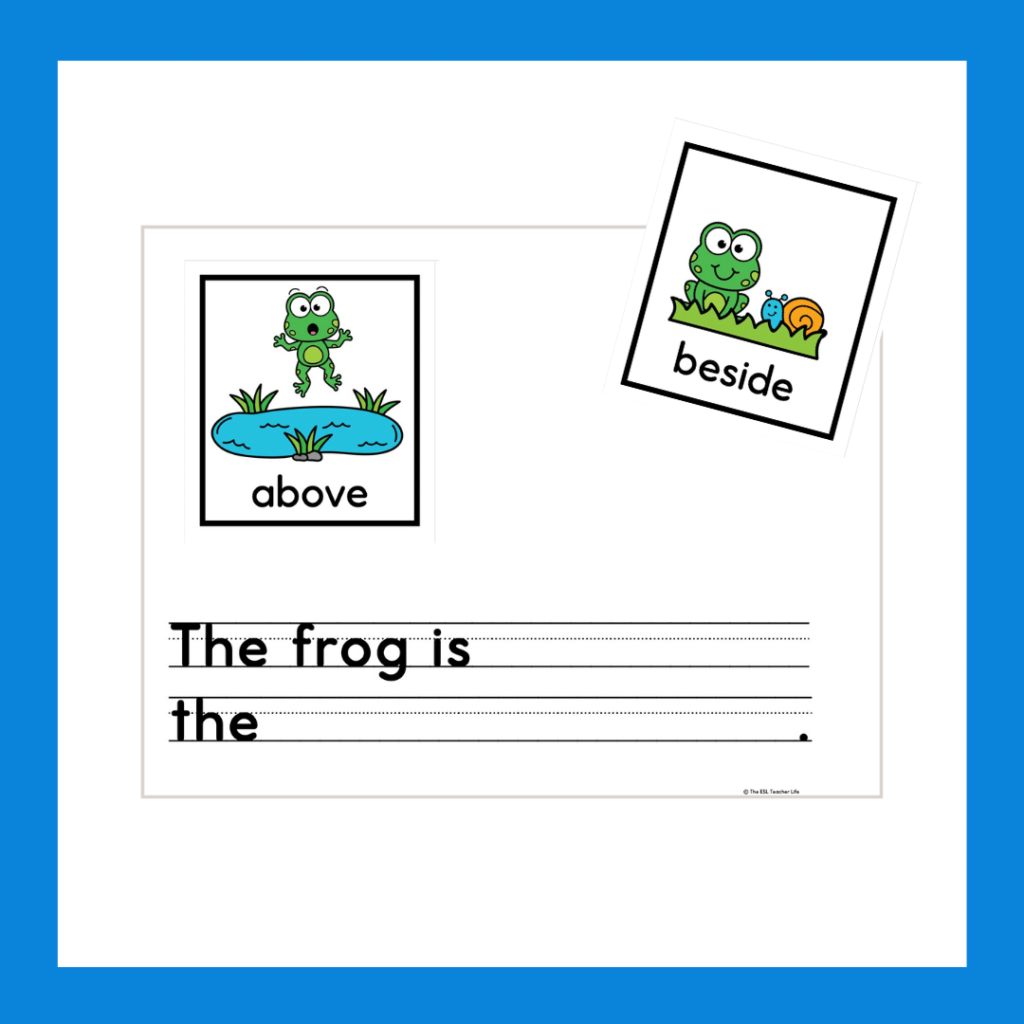
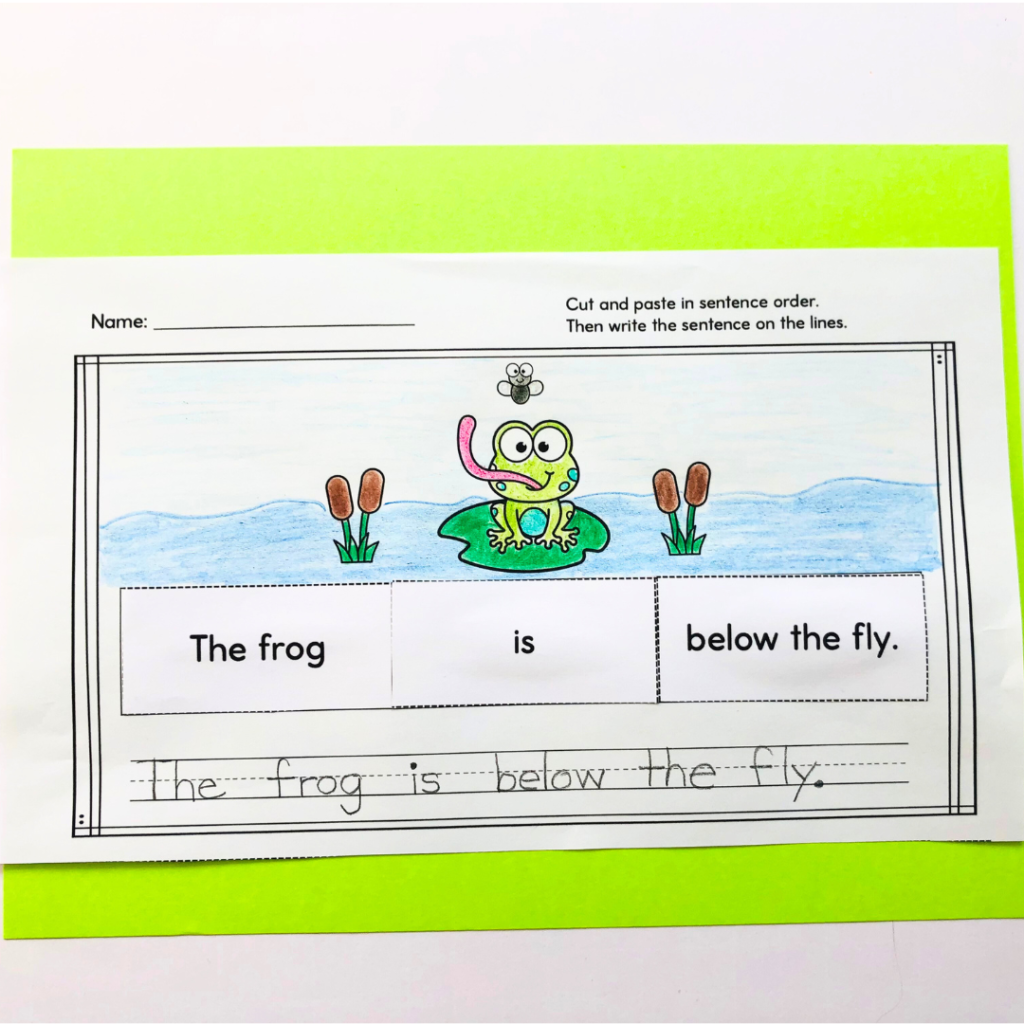
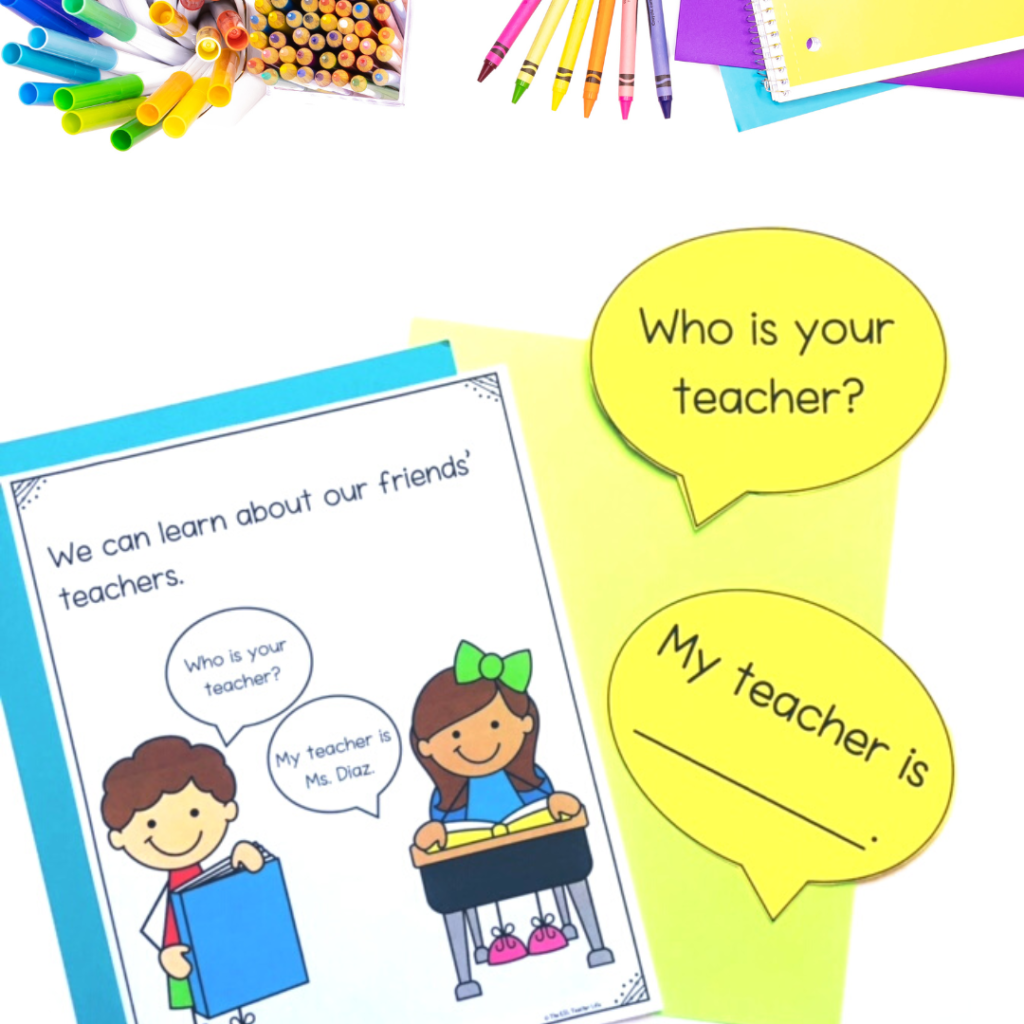
Sentence starters, stems, or frames, are all great ways to support your students’ language growth. These sentence frames can help ELLs to begin using complete sentences in both speaking and writing. An example of using prepositions is below but you can use sentence support every day with all levels of language learners to advance their growth.
A few practical tips for using sentence frames effectively:
- Post them where students can see them during speaking and writing time. A frame on a worksheet is helpful; a frame on the board or wall that students can reference without flipping a page is even better.
- Differentiate your frames by level. Beginners might need “I like ___.” Intermediate students can handle “I prefer ___ because ___.” Advanced students might use “In my opinion, ___ is important because ___, and furthermore ___.” Having a few levels ready means everyone is supported and challenged.
- Fade the support gradually. The goal is independent language use, not permanent reliance on frames. Start the year with a lot of support, then slowly remove scaffolding as students gain confidence.
- Use them for speaking too, not just writing. Sentence frames are often thought of as writing tools, but they’re just as powerful for structured speaking activities and partner discussions.
5. ESL Classroom Resources Include Diverse Books
Books that reflect your students’ cultures, languages, and experiences send a powerful message: you and your story belong in this classroom. For multilingual learners who may feel like outsiders in a new school or country, seeing themselves in a book – their name, their food, their family structure, their flag – is genuinely meaningful.
Here are some things to look for when building your diverse classroom library:
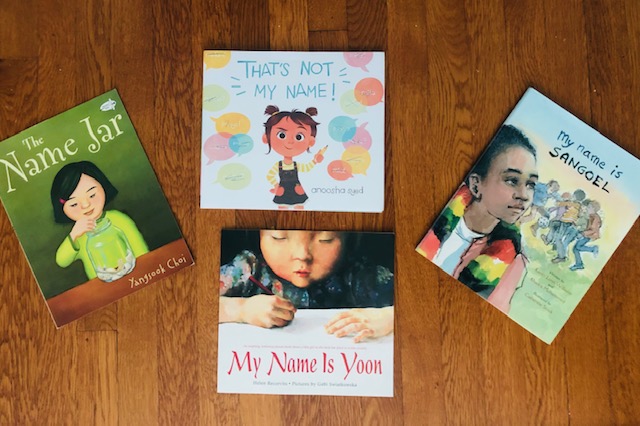
- Books that feature characters with non-Western names – especially ones where the name and its meaning are central to the story. Names books are some of the most beloved read-alouds in ESL classrooms. (The four books shown below are wonderful starting points – click the photo for the Amazon links.)
- Wordless or nearly wordless picture books for newcomers and beginners – these are extraordinary tools because language level is no barrier to comprehension or discussion.
- Books in students’ home languages if you can find or borrow them. Even one book in a student’s language on your shelf communicates profound respect.
- Stories that normalize multilingualism – characters who speak more than one language, who translate for family members, who move between cultures. Your students live these experiences every day; books that honor that are powerful.
Don’t worry if your library is small right now. A curated basket of 10-15 diverse books is far more valuable than a shelf of 100 books that all look the same.
For a link to Amazon to learn more about these books, just click on the photo above. (affiliate link)
These five resources aren’t just supplies or materials – they’re the foundation of a classroom where multilingual learners feel seen, supported, and excited to use language. You don’t have to have all five perfectly in place on day one. Start with what resonates most, and build from there.
Ready to go ESL Classroom Resources
If you’re looking for ready-to-use resources across all five of these categories, browse The ESL Teacher Life shop — everything is designed specifically for multilingual learners with real photos, low prep, and differentiated support built in.
And for more back to school ideas, these posts are a great next read:
Follow along on Instagram and TikTok for classroom photos, quick tips, and behind-the-scenes peeks at how I use all of these resources.
Happy teaching,
Beth